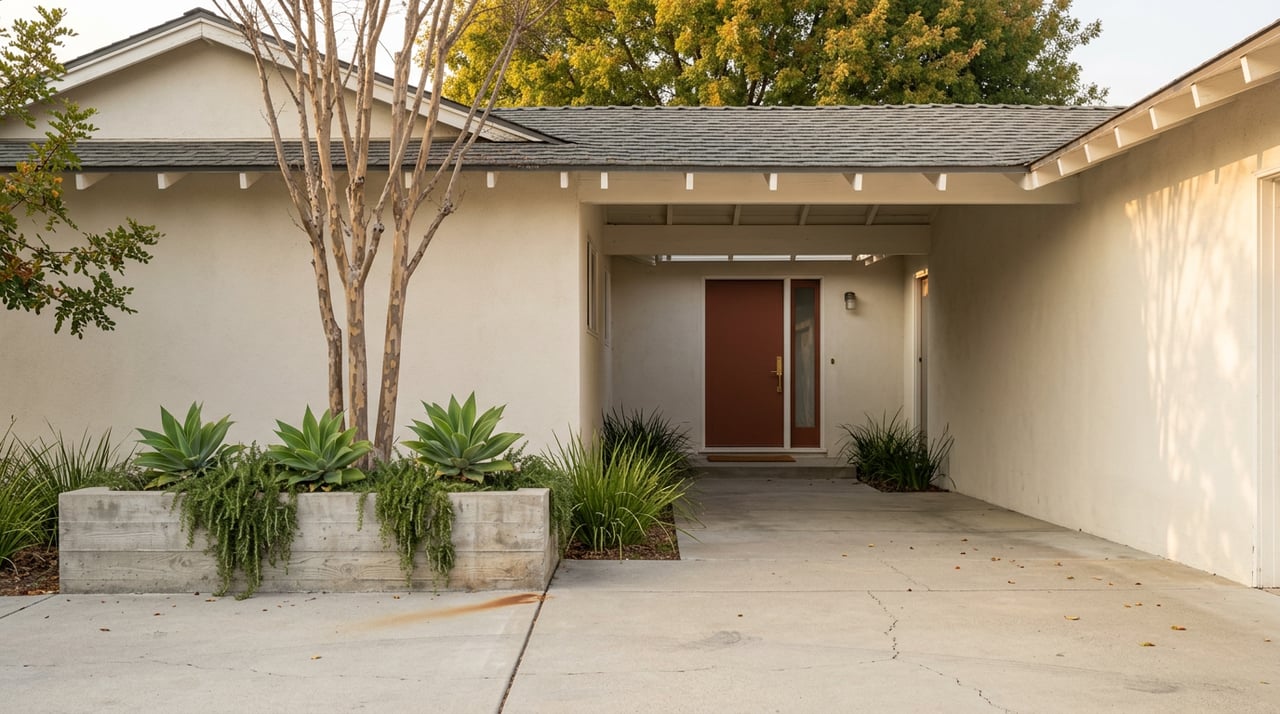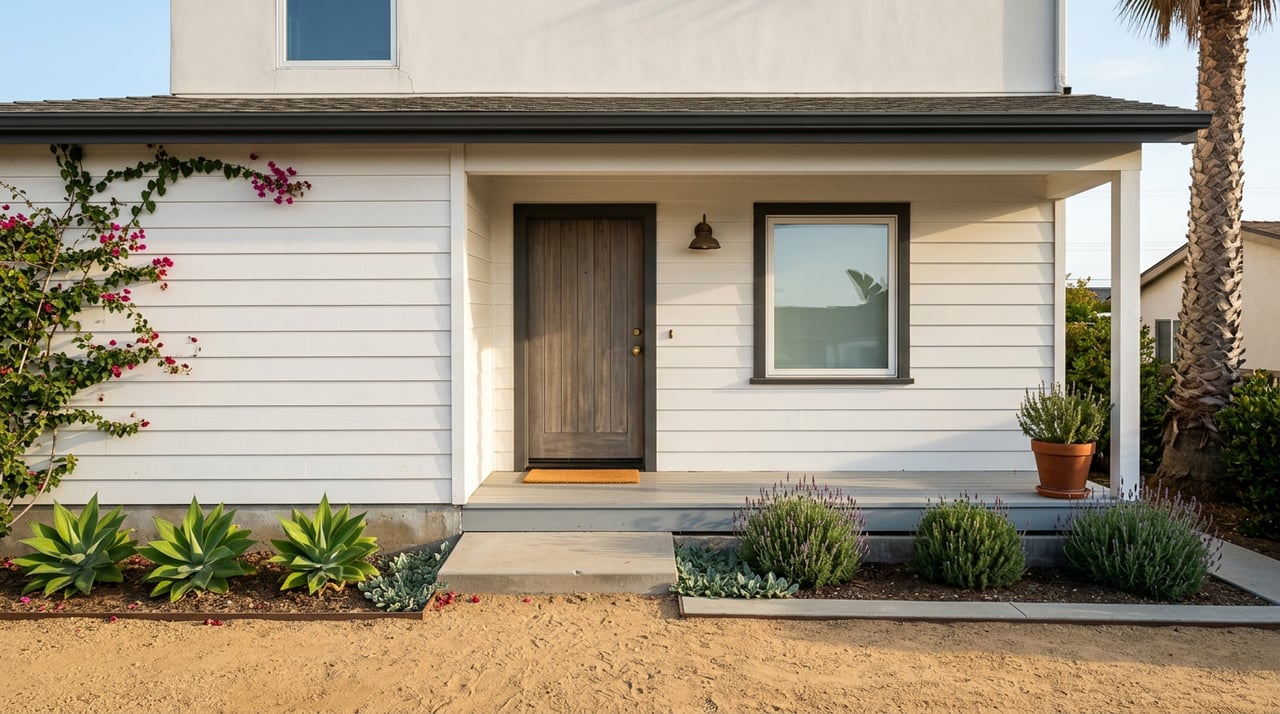
Torn between Irvine’s master-planned villages and Newport Beach’s coastal neighborhoods? It is a great problem to have, but the right answer depends on how you live day to day, what you value, and how you weigh costs like HOAs, Mello-Roos, and coastal maintenance. You want clarity on housing styles, commutes, schools, and long-term ownership so you can move with confidence. This guide lays out the key differences and a simple decision framework to help you pick the best fit for your move. Let’s dive in.
Snapshot: Two great, different markets
Both cities sit in Orange County, yet they feel very different. Irvine is a larger, inland, master-planned city with many newer neighborhoods and strong access to job centers. Newport Beach is a smaller coastal city with a high concentration of waterfront and harbor properties, where land scarcity supports premium pricing near the water.
If you want newer homes, village amenities, and shorter inland commutes, Irvine often delivers. If you want beach access, boating, and walkable harbor living, Newport Beach stands out. Your choice comes down to lifestyle and long-term costs.
Housing and neighborhoods
Irvine: Villages, new builds, and planned amenities
Irvine is organized into master-planned villages like Northwood, Turtle Rock, Woodbridge, and areas around the Great Park. You will find a wide mix of single-family homes, townhomes, condos, and newer mixed-use communities. Many neighborhoods were designed with parks, pools, paseos, bike paths, and village retail built in.
Expect homeowner associations in many communities and, in newer areas, Mello-Roos special taxes that help fund infrastructure and amenities. Architectural review and CC&Rs are common. For many buyers, the trade-off is clear rules in exchange for maintained common areas, consistent curb appeal, and robust neighborhood amenities.
Newport Beach: Coastal, harbor, and custom-home variety
Newport Beach spans Corona del Mar, Balboa Peninsula, Newport Coast, Lido Isle, Eastbluff, and other distinct neighborhoods. You will see everything from beachfront condos and small-lot cottages to large estate properties on cliffs or bayfront lots. Because buildable coastal land is limited, redevelopment and custom construction are common.
HOAs are typical for condos and gated enclaves, especially in Newport Coast. Many older single-family streets have no HOA at all. Without a master association, you may have more autonomy over your property, while taking on more of the maintenance that comes with older homes and coastal exposure.
HOAs, Mello-Roos, and rules
- Irvine: HOAs are common. Newer areas often include Mello-Roos, which increases annual property-related costs. Expect formal architectural approvals.
- Newport Beach: HOAs are typical for condos and gated or planned communities. Mello-Roos is less common overall but exists in some planned areas. Single-family homes outside HOAs have fewer rules but can require more hands-on upkeep.
Bottom line: If you prefer newer homes, uniform design, and shared amenities, Irvine’s villages fit well. If you want the flexibility of a non-HOA single-family home or a rare waterfront setting, Newport Beach delivers that coastal lifestyle.
Commute and transportation
Regional access and freeways
Both cities connect to I-405. Irvine also links well to I-5 and job centers around the Irvine Spectrum and UCI. From Newport Beach, SR-55 and the SR-73 toll road help reach inland employment hubs. The 73 can save time toward Irvine-area campuses, with a toll trade-off.
Daily patterns and traffic
In Irvine, many residents live and work within or near the city’s corporate and institutional centers, which can reduce commute times within central Orange County. Transit options include local bus service and a major intermodal rail station.
In Newport Beach, commutes often run inland to Irvine, Costa Mesa, or Santa Ana. Peninsula and bridge access points can slow traffic, especially during peak seasons and holidays when tourism and beach activity spike.
Airports and rail
John Wayne Airport is close to both cities, typically a short drive from central neighborhoods, depending on traffic. Irvine has an advantage for regional rail commuters with a Metrolink- and Amtrak-served station. Newport Beach does not have a passenger rail station, so you would use nearby cities for rail access.
Bottom line: If you rely on passenger rail or work in Irvine’s employment clusters, Irvine offers a simpler commute. If your priority is living by the beach and your commute is flexible, Newport Beach can be worth the trade-off.
Lifestyle and amenities
Irvine: Parks, programs, and everyday convenience
Irvine’s design centers on everyday livability. You will find parks, sports fields, bike networks, and community centers woven into most villages. Retail is convenient, from neighborhood centers to destinations like Irvine Spectrum. Community programming, events, and youth activities are common.
Newport Beach: Beaches, boating, and coastal energy
In Newport Beach, the coast is the lifestyle. Beaches at Balboa and Corona del Mar, harbor access for boating and paddle sports, waterfront dining, and seasonal events create a lively rhythm. Piers, peninsula nightlife, and proximity to coastal preserves like Crystal Cove State Park add to the appeal.
Bottom line: Choose Irvine for predictable convenience and planned recreation. Choose Newport Beach for direct access to the ocean, harbor culture, and walkable coastal pockets.
Schools and education
Most of Irvine is served by Irvine Unified School District, which is frequently highly rated in state comparisons. Newport Beach is primarily served by Newport-Mesa Unified School District, and school quality can vary by neighborhood and school. Both cities offer access to private schools, and Irvine benefits from proximity to higher education institutions like UCI.
If schools are a top priority, review current district boundary maps and recent school performance data for the specific neighborhoods you are considering. Boundaries and ratings can change over time.
Safety and peace of mind
Irvine often ranks among the safer large cities nationally with low violent-crime rates relative to many peers. Newport Beach also sees relatively low violent crime overall, though tourist areas and busy commercial corridors may see seasonal increases in property crimes like theft and vehicle break-ins.
For a clear picture, review local police department crime maps and recent data for the neighborhoods on your list.
Environmental and insurance factors
Coastal exposure in Newport Beach
Living near the ocean or harbor is special, but it comes with unique considerations. Salt air can accelerate corrosion and exterior wear. Some waterfront or low-lying areas fall within FEMA flood zones, which may require flood insurance and special construction standards. Wind exposure and long-term sea-level planning are part of due diligence for many coastal properties.
Insurance premiums for coastal homes can be higher, especially when flood or specialty coverage is required. It is smart to get quotes early in your search.
Inland considerations in Irvine
Irvine’s inland position reduces direct coastal hazards. Some neighborhoods near open space may have fire-mitigation requirements common to wildland-urban interface areas. Always confirm local rules and any defensible-space guidelines.
Bottom line: Coastal living delivers the lifestyle dividend, while inland locations often reduce environmental risk and insurance complexity. Build these trade-offs into your long-term budget.
What fits your move: A simple decision framework
Use these categories to clarify priorities and avoid surprises:
- Budget and long-term costs
- Irvine: Expect HOA dues in many villages and potential Mello-Roos in newer areas.
- Newport Beach: HOA dues are typical for condos and gated enclaves. Single-family homes outside HOAs avoid dues but can carry higher coastal maintenance and potentially higher insurance.
- Lifestyle and daily priorities
- Irvine: Planned amenities, parks, community programming, and convenient retail.
- Newport Beach: Beaches, boating, harbor walks, and seasonal coastal energy.
- Commute and access
- Irvine: Shorter commutes for many OC job centers, plus Metrolink and Amtrak access.
- Newport Beach: Inland commutes may rely on SR-55 or SR-73; plan around seasonal traffic.
- Schools and children
- Irvine: Public schools frequently highly rated in state comparisons. Verify boundaries.
- Newport Beach: School quality varies by neighborhood. Private options are common.
- HOA rules and flexibility
- Irvine: More prescriptive architectural review and CC&Rs in master-planned villages.
- Newport Beach: Fewer constraints for single-family homes outside HOAs.
- Maintenance and renovation appetite
- Irvine: More new construction and modern floorplans with fewer immediate upgrades.
- Newport Beach: Older or custom homes are common; plan for renovation and coastal upkeep.
Who tends to choose where
- You want parks, newer homes, and a streamlined commute to OC campuses: Irvine.
- You want the beach, boating, and walkable harbor neighborhoods: Newport Beach.
- You want large view estates and luxury enclaves: Newport Coast and select harborfronts.
- You want newer master-planned communities with village amenities: Irvine’s Great Park area and established villages like Woodbridge and Northwood.
Next steps
Walk your shortlist at different times of day, test your commute, and run a full ownership budget that includes HOAs, any Mello-Roos, and projected insurance. If a property is near the coast or bay, review FEMA flood maps and plan for potential flood coverage. For any home with an HOA, read CC&Rs and architectural guidelines before you write the offer.
When you are ready to compare neighborhoods, pricing dynamics, and due diligence item by item, connect with a local advisor who knows both markets. If you would like a clear plan tailored to your goals, reach out to Kott & Co. to Request a Local Market Consultation.
FAQs
How do property taxes compare between Irvine and Newport Beach?
- Base property tax rates follow California rules. What differs is local assessments. In Irvine, many newer areas include Mello-Roos, which increases effective annual costs. In Newport Beach, Mello-Roos is less common overall. Always review the tax bill and disclosures for the specific property.
Are insurance costs higher for coastal homes in Newport Beach?
- Often, yes. Coastal properties can require higher premiums and additional policies, including flood insurance in certain zones. Get quotes early, especially for waterfront or low-lying areas.
Is Irvine better for rail commuters than Newport Beach?
- Yes. Irvine has a major intermodal station served by Metrolink and Amtrak. Newport Beach does not have a passenger rail station, so you would use nearby cities for rail access.
How do HOAs affect renovations in each city?
- In Irvine’s master-planned villages, HOAs typically require architectural review for exterior changes. In Newport Beach, single-family homes outside HOAs have fewer restrictions, while condos and gated communities follow their association rules. Always review CC&Rs during escrow.
Which city tends to have stronger resale, Irvine or Newport Beach?
- Both are desirable. Newport Beach benefits from coastal scarcity that supports long-term value for waterfront and near-coast properties. Irvine sees strong demand for newer homes and for areas served by highly rated public schools. Your best resale outlook depends on the specific neighborhood, property type, and condition.