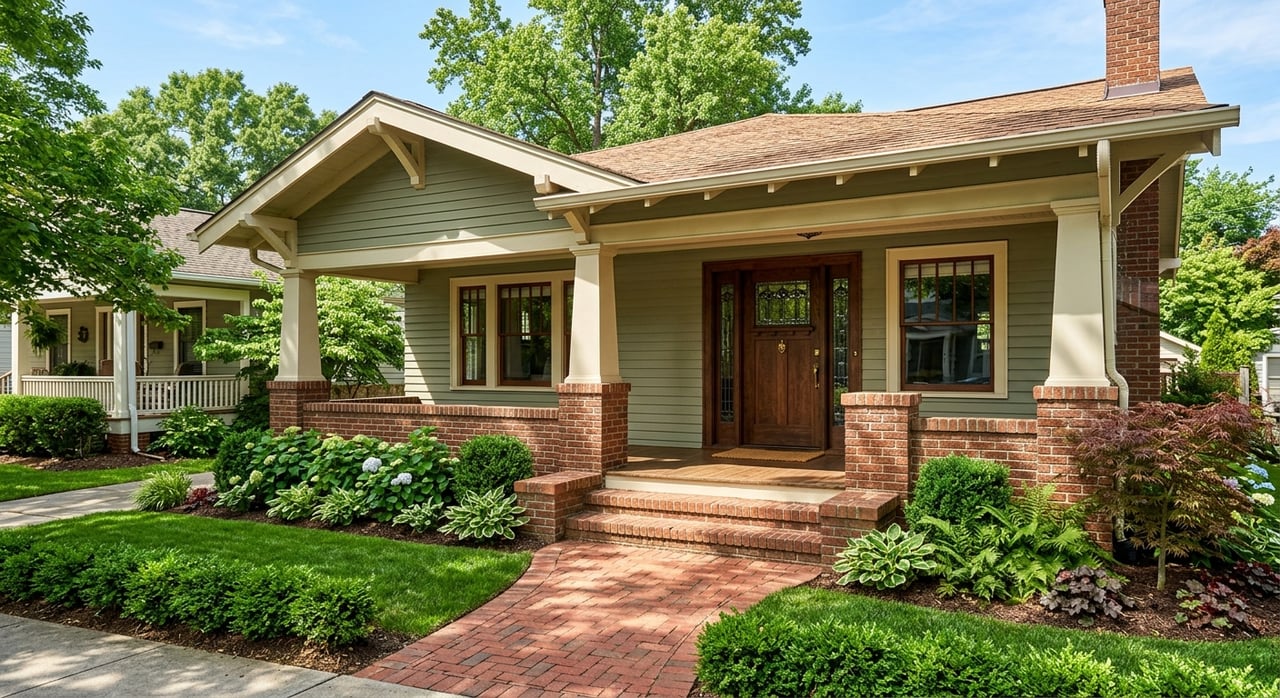
Dreaming about a home with a big front porch, original windows, and a story you can feel the moment you step onto the block? Buying a historic home in Old Towne Orange can be exciting, but it also comes with rules, upkeep, and planning that look different from buying a newer house. If you are considering this part of Orange, it helps to understand what makes these homes special, what the City of Orange expects from owners, and where buyers should look closely before making an offer. Let’s dive in.
Why Old Towne Orange Stands Out
Old Towne Orange is one of the most significant preservation areas in Orange County. The City of Orange says it includes the largest nationally registered historic district in California, with three overlapping historic districts: the Plaza Historic District, the local Old Towne Historic District, and the National Register Old Towne Orange Historic District.
That historic framework shapes what you will see as a buyer. The Old Towne Historic District reflects a period of significance from 1888 to 1940, while the Plaza Historic District includes earlier commercial development from 1871 to 1931. In practical terms, that means the area offers a wide range of older homes and buildings that still reflect different eras of Orange’s development.
What Types of Historic Homes You May Find
Old Towne’s housing stock is known for variety. City preservation materials describe detached residential buildings with similar front and side setbacks, rear accessory structures, tree-lined streets, planted parkways, and a mix of gable, hip, and flat roof forms.
You may see Victorian and Queen Anne homes alongside Classical Revival, Craftsman, Bungalow, and Mediterranean Revival styles. The city’s standards also reference Folk Victorian, Prairie, Spanish Colonial Revival, Tudor Revival, and Queen Anne cottages, which gives the neighborhood its layered visual character.
For buyers, that means charm is often tied to original design details rather than just size or layout. Features like front porches, original window and door openings, decorative rooflines, wood or stucco cladding, and small detached rear structures can matter as much as square footage when you are evaluating a property.
Why Character-Defining Features Matter
In Old Towne, a historic home is not valuable only because it is old. The City of Orange’s standards focus on whether a building still communicates its period through its massing, materials, and street-facing design.
That distinction matters when you compare homes. Two houses may have similar ages, but the one that retains its original porch, windows, roof details, and overall form may better reflect the district’s historic character. As a buyer, it helps to look beyond surface updates and pay attention to what has been preserved.
What Preservation Rules Mean for You
If you buy in Old Towne, exterior changes are not treated the same way they would be in a newer neighborhood. The City of Orange requires exterior work within the district to comply with Historic Preservation Design Standards, and the city uses design review to make sure projects align with those standards and the Secretary of the Interior’s Standards.
Some smaller repairs and alterations may go through Minor Design Review. Larger additions and accessory-structure projects typically go to the Design Review Committee, and more complex proposals may also require Planning Commission or City Council review.
The key takeaway is simple: plan for review before you plan for construction. Even projects that seem straightforward can involve an added layer of approval if they affect the exterior appearance or district character.
Roofs, Windows, and Doors Need Extra Care
Roofs are treated as major character-defining features in Old Towne. The city says historic roofs should be preserved and maintained, and changing the slope or orientation is considered inappropriate. Replacement roofing should be similar in scale, texture, and color, and new dormers or skylights generally should not be added on street-facing elevations.
Windows and doors are also closely protected. On street-visible elevations, the city says their location, number, size, pattern, and proportion should not be altered. Creating a new opening or enclosing an existing historic opening on a street-facing side is generally not appropriate.
If replacement is needed, it often must match the original dimensions, materials, and details. In many cases, repairing original wood windows can be more cost-effective and better for preserving character than replacing them entirely.
Porches, Fences, Garages, and Additions
Front porches are a major part of Old Towne’s identity, and the city expects them to be preserved. Street-visible porch enclosures are generally not appropriate, and additions should be smaller than the historic house, located toward the rear, and clearly secondary in massing.
Garages and accessory structures follow the same logic. Attached garages are generally considered inappropriate, and new accessory buildings are expected to resemble historic examples in size and design while sitting behind the primary home.
The rules extend to front-yard fencing too. The city says front fencing should be low and transparent, with styles selected to fit the house. Wood picket fencing may fit Craftsman or Folk Victorian homes, while wrought iron may fit Spanish Colonial Revival or Tudor Revival houses. Vinyl, chain-link, and plastic fences are prohibited, and solid masonry front-yard walls are generally not appropriate.
Solar Is Possible, But Placement Matters
Many buyers want to know whether a historic home can support modern upgrades like solar. In Old Towne, the answer is yes, but design still matters.
The city allows solar panels, but says they should be placed where they are least visible from the street, installed parallel to the roof plane, and designed so they do not alter the roofline. If solar is part of your long-term plan, it is smart to discuss placement and review requirements early.
How Approval Timelines Can Affect Your Plans
Historic-home projects often take more time than similar work in non-historic areas. The City of Orange encourages owners to review the standards early and meet with planning staff before final drawings are prepared.
That matters because review may apply to more than major remodels. Roof replacement, window repair, front-yard fencing, accessibility improvements, and solar installation can all be subject to review when they affect the exterior or the district’s visual character.
If you are buying a home because you want to make immediate changes, build extra time into your timeline. That extra planning can help you avoid delays and budget surprises.
Common Inspection Issues in Older Homes
Because many Old Towne homes date to the pre-1940 period, inspections deserve extra attention. Older homes often reveal their biggest issues in crawl spaces, basements, attics, and other concealed areas where moisture, settlement, pests, and aging systems show up first.
HUD’s rehabilitation inspection guidance notes common concerns such as moisture intrusion, termite activity near foundation walls, foundation cracking, sagging or sloping floors from settlement, and roof sagging caused by multiple roofing layers or altered framing. Water damage patterns can also point to deeper problems with plumbing, electrical, HVAC, or structure.
This does not mean every historic home has major issues. It does mean you should approach inspections with a wider lens and a stronger focus on how the house has aged over time.
Lead Paint and Asbestos Considerations
Older homes can also involve environmental due diligence. The EPA says 87% of homes built before 1940 contain some lead-based paint, which is especially relevant in Old Towne given the age of many properties.
If you expect to renovate, repair, or repaint older trim, windows, porches, or siding, assume lead-safe practices may be necessary when painted surfaces are disturbed. That is an important budget and planning factor, especially if you hope to do work soon after closing.
Asbestos is another issue buyers should keep in mind. The EPA says undamaged asbestos-containing materials are often best left alone, but damaged materials or materials likely to be disturbed during remodeling should be evaluated by a trained and accredited professional. In older homes, this can affect items like flooring, insulation, pipe wrap, and other legacy materials.
Repair Often Matters More Than Replacement
One of the practical realities of owning a historic home is that repair may be the better path, not just the easier one. The city’s standards specifically recommend preserving original windows, doors, porches, and decorative details whenever possible.
That can change how you budget for ownership. Instead of assuming you will replace older features with newer products, you may need to think in terms of restoration, custom work, and preservation-conscious repairs that maintain the home’s historic appearance.
Tax Incentives and Code Flexibility
Old Towne buyers should also understand the financial tools that may apply to qualified properties. The City of Orange has a local Mills Act program that can offer potential property-tax reduction to owners who agree to preserve and rehabilitate qualified historic property.
The city says the program began in 1998 and that more than 200 Orange properties have received the benefit. Mills Act contracts are recorded against the property and transfer to future owners, which makes existing contract status an important part of your due diligence.
There is one major caveat. The city also says it is not presently accepting Mills Act applications while the program is under review, so buyers should verify current status directly rather than assume a new contract will be available after purchase.
The city’s Mills Act materials also clarify what the program is meant to support. Eligible work can include seismic retrofit, re-roofing, plumbing, electrical and mechanical upgrades, window repair, and painting, while cosmetic interior kitchen and bathroom remodels are not treated as eligible Mills Act work.
California also offers a State Historic Rehabilitation Tax Credit for eligible historic residential properties. According to the Office of Historic Preservation, qualifying residences must be listed in the California or National Register, or be contributors to a registered district in one of those registers. The project must involve more than $25,000 in qualified rehabilitation expenses, the owner must occupy the home within two years of completion, and the owner’s modified adjusted gross income cannot exceed $200,000.
Eligible expenses can include wiring, plumbing, foundation repair, environmental remediation, and energy-efficiency improvements. New construction and additions are not included.
Another important tool is the California Historical Building Code. The state says it provides alternative building regulations for repairs, alterations, additions, accessibility, and continued use of qualified historical buildings, with the goal of preserving historic character while still addressing safety and usability.
Smart Due Diligence Before You Buy
If you are serious about buying in Old Towne Orange, a little extra homework can go a long way. Historic homes can be deeply rewarding to own, but they reward buyers who ask detailed questions before they close.
Here are a few smart steps to take:
- Confirm whether the property is contributing or non-contributing within the district.
- Budget for specialized inspections of the roof, foundation, crawl space or basement, attic, plumbing, electrical, and HVAC systems.
- Consider lead and asbestos testing if renovation is likely.
- Assume exterior projects will require preservation-conscious design choices.
- Verify any existing or potential incentive status directly with the city and the Office of Historic Preservation.
A historic home purchase is often less about finding a perfect turnkey property and more about finding the right fit for your goals, budget, and tolerance for ongoing stewardship.
What Buying in Old Towne Really Requires
Buying a historic home in Old Towne Orange can offer a kind of character that is hard to replicate anywhere else in Orange County. You are not just buying square footage. You are buying architecture, neighborhood continuity, and a property that sits within one of California’s most notable historic districts.
That also means buying with clear eyes. The best outcomes usually come from understanding the district rules, inspecting carefully, and planning improvements with preservation in mind from day one.
If you want help evaluating homes in Old Towne Orange, comparing property options, and understanding how neighborhood-specific factors may affect your purchase, reach out to Kott & Co. for a local market consultation.
FAQs
What makes a home historic in Old Towne Orange?
- A home in Old Towne Orange may be located within one of the area’s historic districts, but buyers should also confirm whether it is considered a contributing or non-contributing property because that can affect review and incentive eligibility.
What should buyers know about remodeling a historic home in Old Towne Orange?
- Exterior changes in Old Towne Orange must comply with the City of Orange Historic Preservation Design Standards, and even projects like roofing, windows, fencing, porches, or solar may require review.
What inspection issues are common in older Old Towne Orange homes?
- Buyers should pay close attention to crawl spaces, attics, foundations, roofs, moisture intrusion, termite activity, settlement-related floor sloping, and aging plumbing, electrical, and HVAC systems.
What tax incentives may apply to a historic home in Old Towne Orange?
- Qualified properties may involve an existing Mills Act contract, and some eligible residential projects may qualify for California’s State Historic Rehabilitation Tax Credit, but buyers should verify current eligibility and program status before relying on savings.
What should buyers ask before purchasing an Old Towne Orange historic home?
- Ask whether the property is contributing or non-contributing, what exterior changes may need review, whether any historic incentive contract is already in place, and what specialized inspections or environmental testing may be appropriate before closing.