Torn between salty sea breezes and a quieter inland street? You are not alone. Huntington Beach offers two distinct ways to live: ocean-close neighborhoods near the Pier and Harbour, and inland tracts a few miles from the sand. In this guide, you will learn how prices, home types, daily lifestyle, parking, events, and environmental factors compare so you can choose with confidence. Let’s dive in.
Market snapshot: the coastal premium
Huntington Beach’s citywide median sale price sat around the low-to-mid seven figures in early 2026, with recent reporting near about $1.22 million. Beach-adjacent zip codes often trend higher. For example, the downtown 92648 area showed a median around $1.39 million and many immediate pier or ocean-view homes sell well above the city median. Huntington Harbour and 92649 generally cluster in the low $1.3 million range, while inland zips like 92646 and 92647 often land closer to the low-to-mid $1 million range. The takeaway is simple: you usually pay more to be steps from the sand or on the water, while inland tracts tend to offer better value per square foot and larger lots.
Home types you will find
Ocean-close and downtown
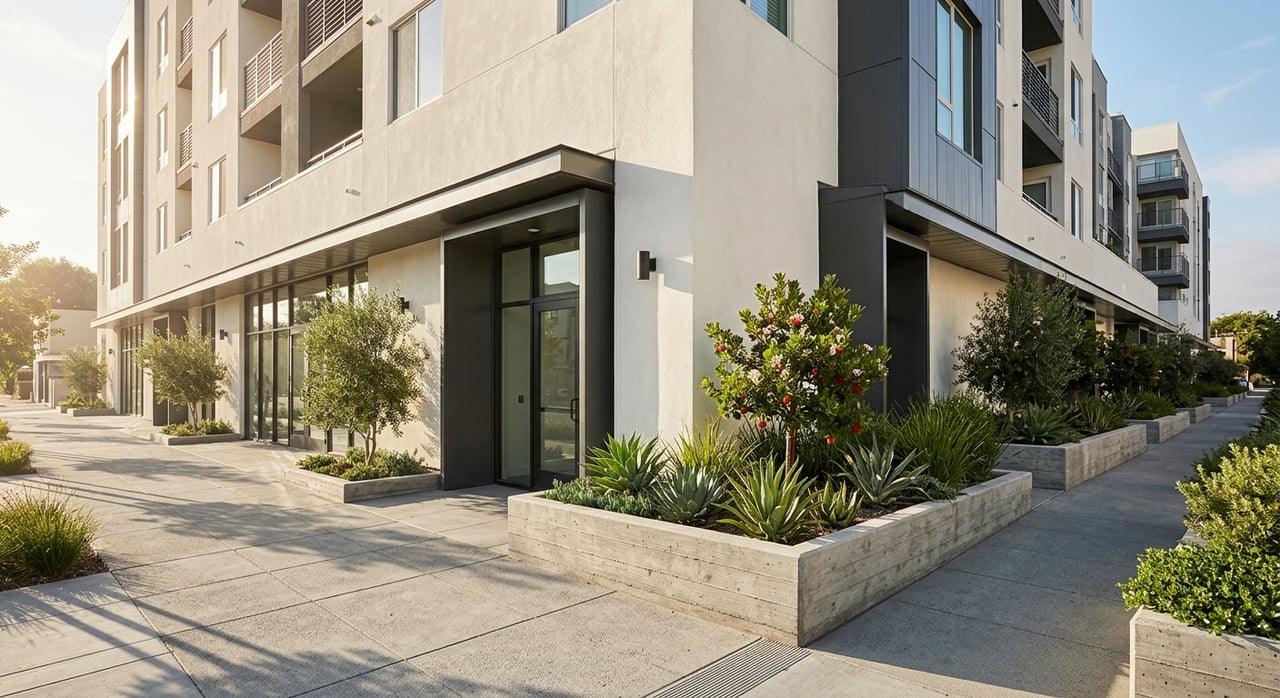
Near the Pier, Main Street, and Pacific City, you will see condos, stacked townhomes, and narrow-lot single-family homes that climb 2 to 4 stories. Many are walkable, lifestyle-focused properties with smaller lots and multi-level “beach house” layouts. The product mix explains why list prices can be high even when lot sizes are compact.
Huntington Harbour and Sunset Beach
In Sunset Beach and the Harbour’s canal islands, homes can include waterfront single-family properties, some with private docks or boat access. The boating lifestyle is a distinct amenity that influences pricing, maintenance, and insurance. Expect marina access rules and, in some communities, HOA or harbor-association guidelines.
Inland tracts and established neighborhoods
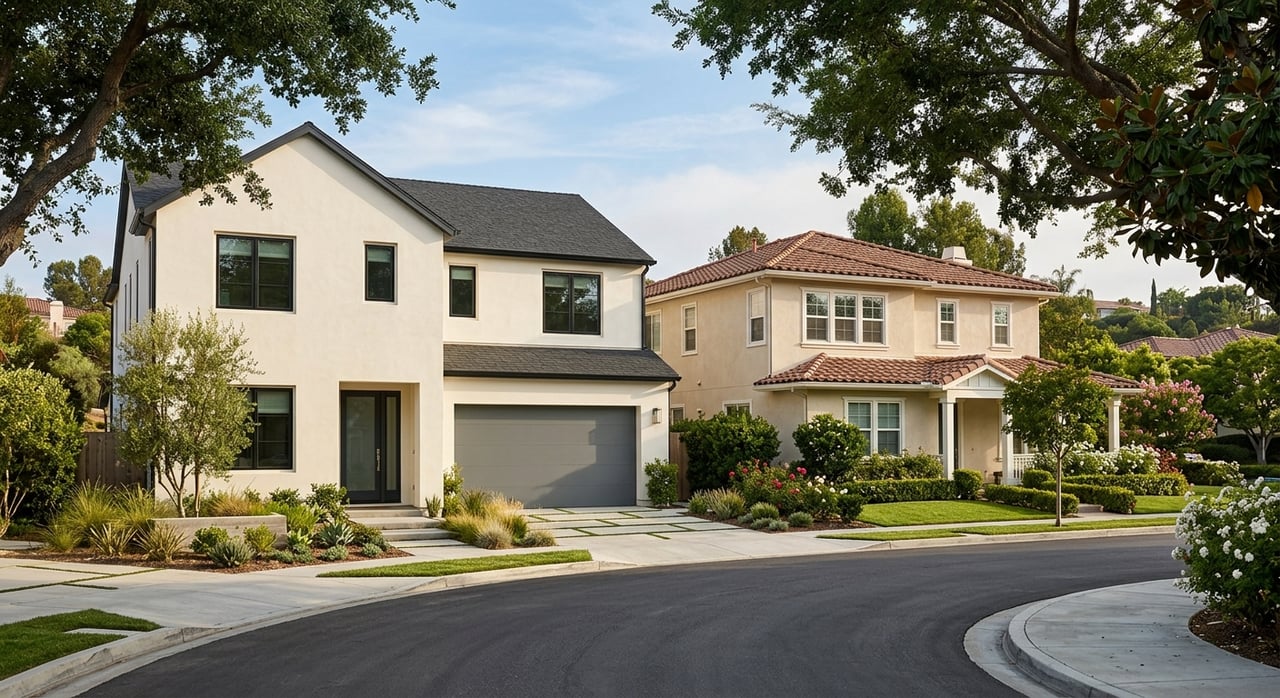
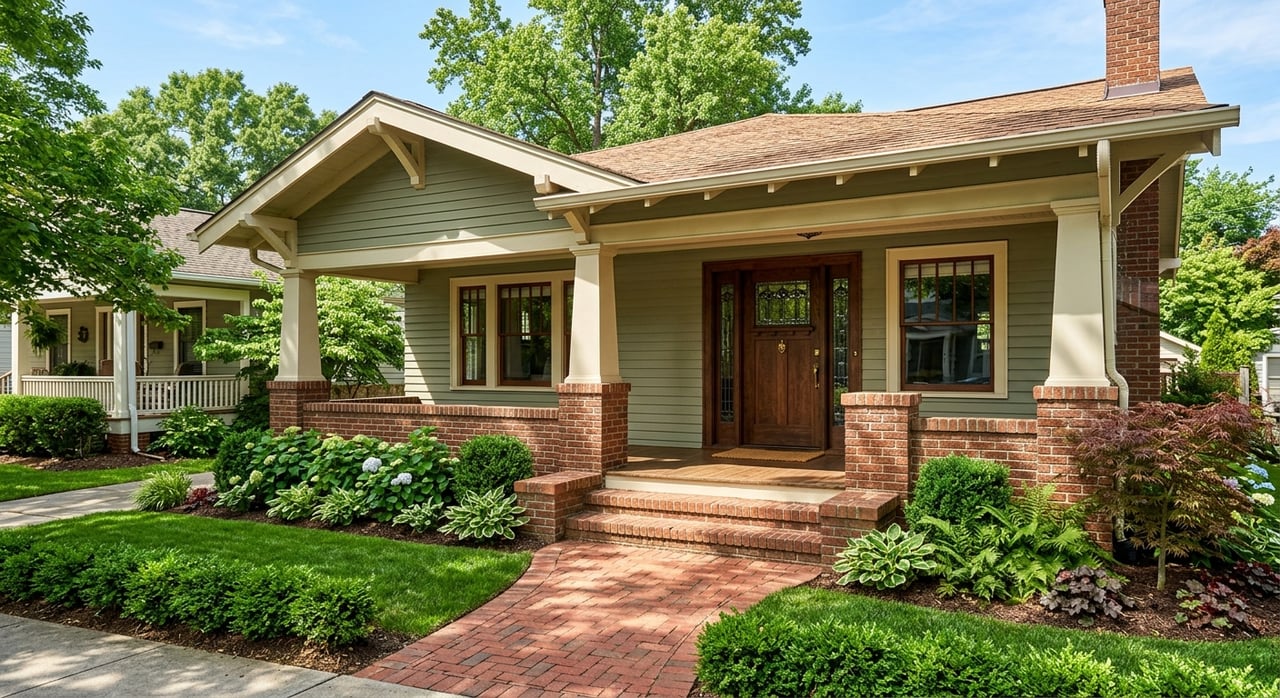
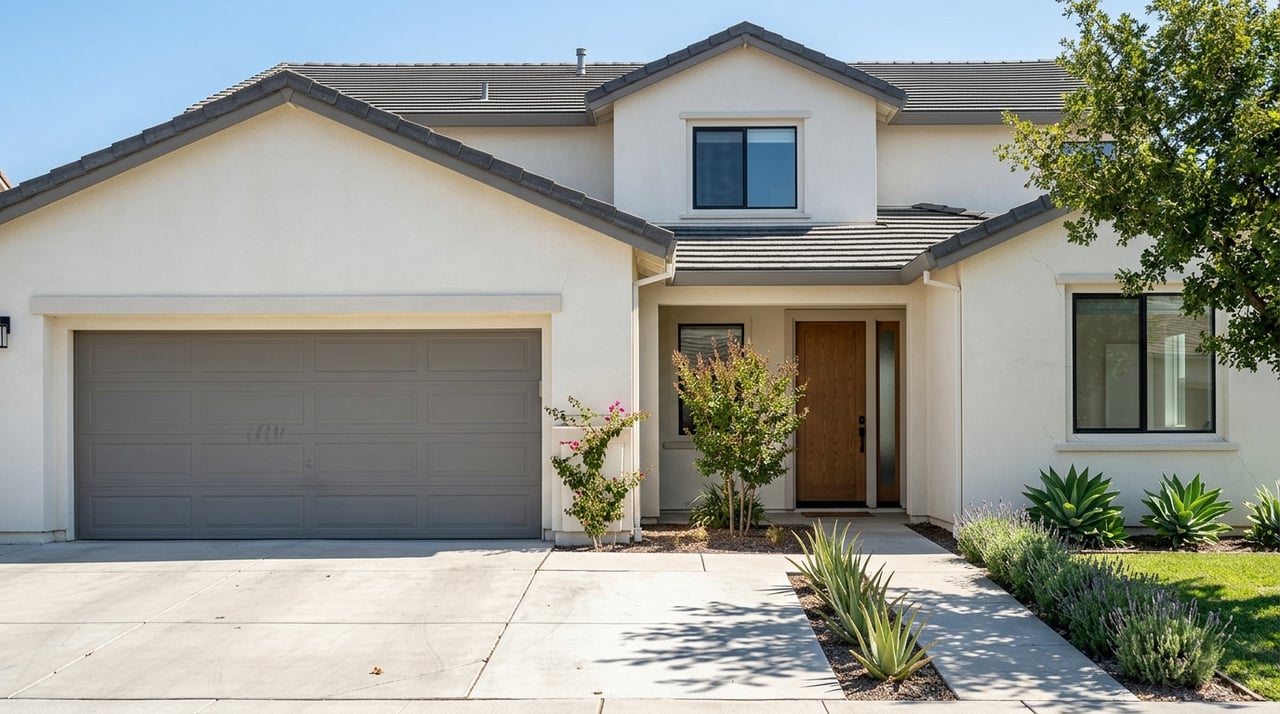
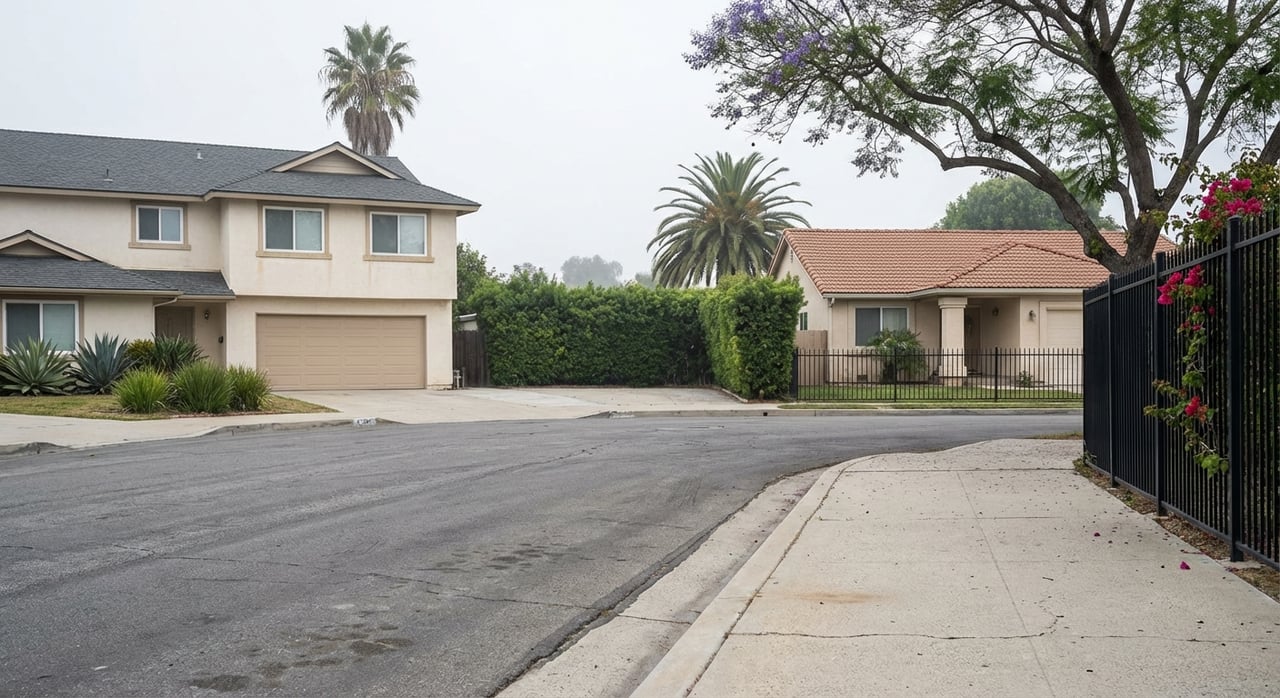
Inland neighborhoods like Goldenwest and Bolsa Chica–Heil lean toward classic postwar ranch and tract homes on more regular lot patterns. You will typically find front and back yards, simpler parking, and layouts that suit everyday living. Some gated enclaves and the SeaCliff area can be higher priced than typical inland tracts, yet they are usually calmer and less tourist-facing than downtown.
Everyday lifestyle tradeoffs
Downtown and beach-adjacent streets offer strong walkability to the Pier, Pacific City, and Main Street. That means dining, nightlife, and seasonal events nearby, especially in summer. You can preview the activity zones using local maps and visitor information from the city’s tourism site at Surf City USA.
Huntington Harbour and Sunset Beach trade some of that nightlife for a quieter, boating-centered lifestyle. You still have beach access, just with a marina backdrop and canal views. Inland, life is typically calmer day to day, with more yard space and less tourist traffic, while still being a short drive to the coast.
Parking, traffic, and getting around
If beach time is part of your weekly routine, budget for parking. The city sells an annual beach and municipal parking pass, reported at about $195 for a regular pass, with some event-day exclusions. You can learn about permit options and exclusions from this Los Angeles Times overview of local beach parking programs.
Many beach-adjacent streets use residential permit parking or timed curb rules to balance residents and visitors. Before you buy, confirm if your block sits inside a permit district by reviewing the city’s permit-parking rules in the municipal code.
For commuting, plan around PCH, Beach Boulevard, Warner Avenue, and the I-405. Huntington Beach residents report a mean travel time to work of roughly 28 to 29 minutes, a helpful benchmark from U.S. Census QuickFacts. OCTA buses serve the city, though service is less frequent than in dense urban cores, so check routes if you rely on transit.
Noise, events, and seasonality
Downtown hosts recurring and annual events, including weekly Surf City Nights on Main Street, major surf competitions in summer like the US Open of Surfing, and large seasonal gatherings. These increase foot traffic, noise, and parking demand on event days. Use the Surf City USA planning resources to time a few visits at day and night so you can feel the rhythm before you buy.
Environmental factors and insurance to plan for
Coastal mornings often start gray in late spring. The marine layer, known locally as May Gray and June Gloom, brings cool, overcast mornings that usually clear later. For a primer on why it happens, see this explainer from Scripps Institution of Oceanography.
Flood risk varies property by property. Start with the official FEMA maps to see if a parcel falls in a Special Flood Hazard Area by checking the FEMA Flood Map Service Center. For long-term planning, visualize sea-level rise scenarios around Bolsa Chica, Sunset Beach, and harbor channels using NOAA’s Sea Level Rise Viewer. Some coastal and harbor-adjacent areas also fall within tsunami planning zones, so review the California Geological Survey’s tsunami hazard maps and local evacuation routes.
Flood insurance pricing changed under FEMA’s Risk Rating 2.0. Premiums now reflect property-specific factors such as elevation, distance to water, and replacement cost, which can raise or lower costs compared with the old system. For policy background, see this Congressional Research Service summary. If a property is in an SFHA and you use a federally backed mortgage, flood insurance is required. Even outside mapped zones, many coastal buyers still elect to carry flood insurance.
Maintenance and recurring costs
Salt air accelerates corrosion of metals, fasteners, and some exterior finishes, which generally increases exterior upkeep needs along the coast. See a practical overview of salt-air impacts on materials from this coastal-living guide at Decor Hint. Waterfront and condo communities may also carry HOA fees for dock, bulkhead, dredging, or shared-structure maintenance. Always review HOA budgets and special-assessment history as part of your purchase.
Decision guide: which area fits you?
- Choose immediate oceanfront or downtown if you value walkability to the sand, restaurants, and nightlife, and accept smaller lots and more activity in exchange.
- Choose Huntington Harbour or Sunset Beach if a boating lifestyle and a quieter beachfront feel are top priorities. Expect harbor-specific rules and potential HOA or maintenance costs.
- Choose inland neighborhoods if you want more square footage, yard space, quieter evenings, and strong value per dollar while staying within a short drive to the beach.
Due diligence checklist for buyers
- Pull your parcel’s current flood designation at the FEMA Flood Map Service Center. Ask for any elevation certificates or map revision letters.
- Visualize nearby inundation scenarios at mid-century using NOAA’s Sea Level Rise Viewer.
- Check the California Geological Survey’s tsunami hazard maps and note evacuation routes if coastal or harbor-adjacent.
- Get homeowners and flood insurance quotes early. Learn how Risk Rating 2.0 may affect premiums using the CRS overview.
- Test-drive the neighborhood at multiple times, including a summer weekend midday and a Friday or Saturday night. Confirm if your street is inside a resident-permit district using the city’s permit-parking rules.
- If beach access is frequent for you, plan for parking costs and exclusions. Review the regional parking pass overview so you know what is covered.
- Ask your agent for recent comps that match your priorities, such as walkability, yard size, or dock access. Bring in an inspector familiar with coastal maintenance to estimate ongoing costs.
Price snapshots: quick context
- Downtown and pier-adjacent 92648: median around $1.39 million, with many immediate pier or ocean-view homes trading higher than the city median.
- Huntington Harbour and Sunset Beach, 92649: medians in the low $1.3 million range, with waterfront and dock-ready homes commanding premiums.
- Inland tracts, 92646 and 92647: many medians often in the low-to-mid $1 million range, with larger lots and more interior space compared with downtown.
Market medians move over time, so use these figures as orientation, not as a quote for any specific home.
Ready to compare homes in person?
You deserve a clear plan that matches your lifestyle to the right neighborhood and home type. Whether you want a walkable beach address, a dock for your boat, or a calm inland street with more yard, our team can guide you through pricing, due diligence, and timing. Start your search with Kott & Co. and Request a Local Market Consultation.
FAQs
Is flood insurance required near the beach in Huntington Beach?
- If a property is inside a Special Flood Hazard Area, federally backed mortgages require flood insurance. Check your address at the FEMA Flood Map Service Center, and remember that Risk Rating 2.0 prices premiums by property characteristics as outlined in the CRS overview.
How crowded and noisy is downtown Huntington Beach in summer?
- Downtown hosts weekly and seasonal events, including Surf City Nights and major surf competitions, which raise foot traffic, noise, and parking demand. Preview activity zones using Surf City USA’s planning resources.
What is the typical commute time for Huntington Beach residents?
- A useful benchmark is about 28 to 29 minutes for the mean travel time to work, according to U.S. Census QuickFacts. Your actual time will vary by route and time of day.
How does the marine layer affect daily life by the coast?
- Expect more overcast mornings in late spring and early summer, with cooler starts that often clear by afternoon. Learn more from Scripps Institution of Oceanography.
Do I need a pass to park at the beaches and how much is it?
- The city offers annual passes for municipal and beach lots, with a reported cost near $195 for a regular pass and exclusions on some event days, per the Los Angeles Times overview.
What maintenance differs for coastal homes in Huntington Beach?
- Salt air accelerates corrosion on metals and can shorten the life of exterior finishes, which adds to regular upkeep. See a practical summary of salt-air effects from Decor Hint.