Wildfire risk can feel distant until Santa Ana winds kick up and you see smoke over Irvine’s hills. If you live near open space or canyon edges, you know embers can travel far and fast. The good news: a few smart upgrades and a clean first five feet around your home can change the outcome. Below, you’ll learn what matters most in Irvine, what the 2025 fire maps and seller rules mean, and how to start with free resources. Let’s dive in.
Why wildfire readiness matters in Irvine
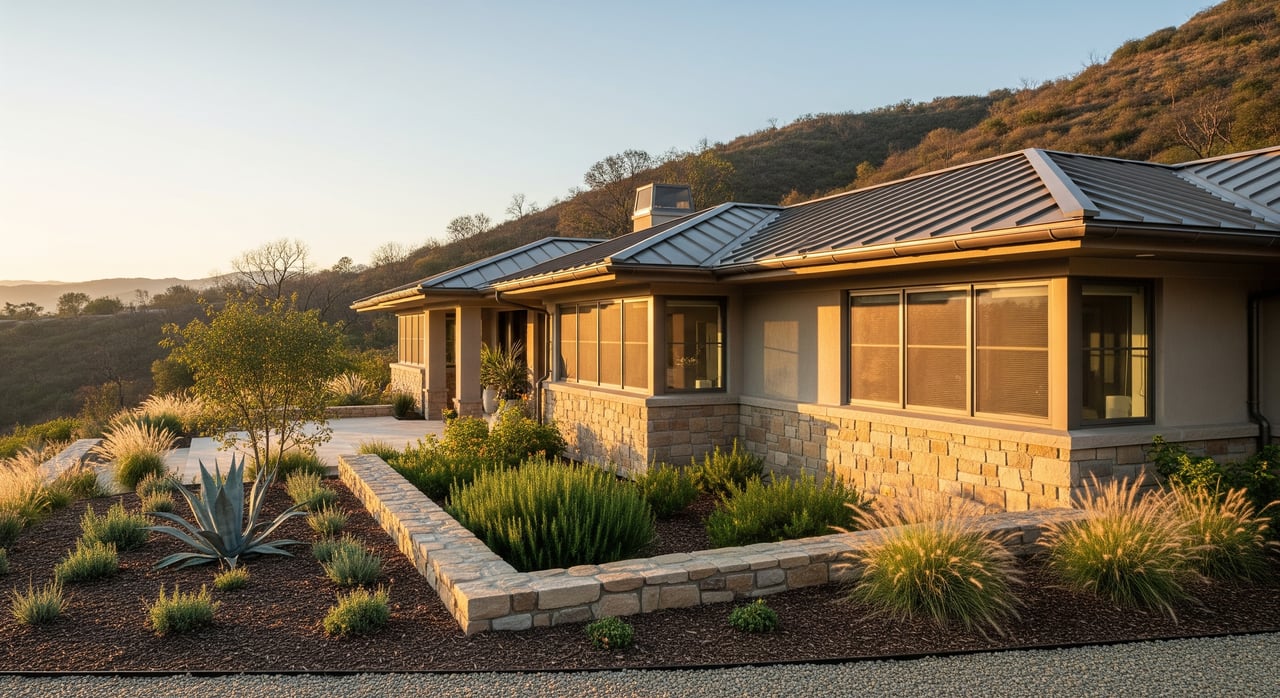
Many Irvine neighborhoods sit in or near the wildland urban interface. Areas like Turtle Rock, Shady Canyon, Quail Hill, Orchard Hills, and Portola Springs border natural open space. Local agencies treat wildfire as an active community hazard.
California updated its Fire Hazard Severity Zone maps in 2025, and cities are moving through the adoption process. These designations guide where stricter building standards and vegetation rules apply. You can review the statewide map information through CAL FIRE’s fire hazard page and check Irvine’s local adoption updates on the City’s FHSZ page.
- See statewide map details on CAL FIRE’s Fire Hazard Severity Zones page: state FHSZ guidance
- Track Irvine’s adoption timeline and notices: City of Irvine FHSZ updates
Home hardening priorities that work
Research shows embers are the main cause of home ignitions during WUI fires. A systems approach works best: reduce combustibles near the house and close off structural weak points.
Roof and vents
Your roof is the top vulnerability. If you still have wood shakes, plan a change to a Class A roof. Keep the roof and valleys clear of leaves.
Vents are ember entry points. Install State Fire Marshal listed ember‑resistant vents or cover existing vents with 1/16 to 1/8 inch corrosion‑resistant metal mesh. Learn what to look for on CAL FIRE’s guide to home hardening.
Windows, eaves, and decks
Double‑pane tempered glass resists heat better than single‑pane. Enclose open eaves and the underside of decks, and keep these areas free of debris. Where you plan window or siding upgrades, prioritize walls and exposures that face heavy vegetation.
Fences and gutters
Avoid a continuous wood fence attached to the house. Create a short noncombustible section where the fence meets the structure. Clean gutters often and consider metal gutter guards to keep embers from nesting.
Defensible space: zero to one hundred feet
Defensible space and home hardening go hand in hand. California’s standard guidance breaks your yard into zones. Details and diagrams are available on CAL FIRE’s defensible space page.
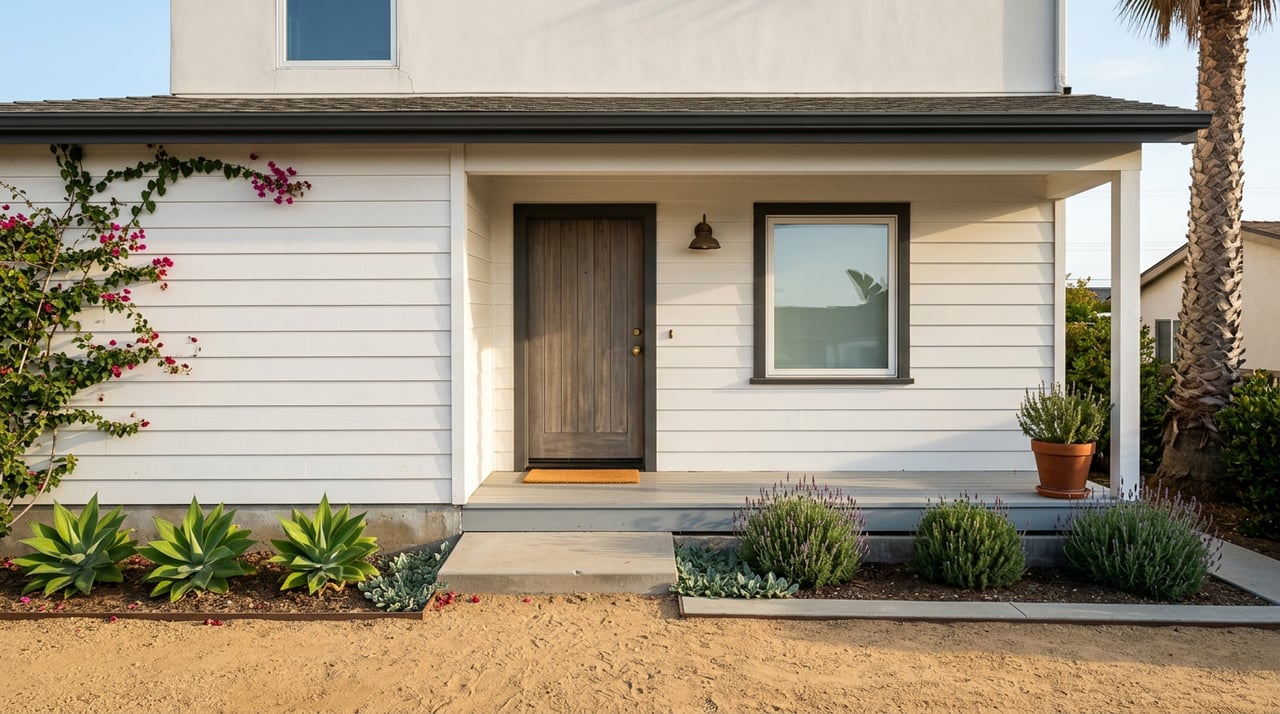
- Zone 0 (0–5 ft): Keep this area free of combustible mulch, plants, wood piles, and outdoor furniture. Favor noncombustible surfaces and planters.
- Zone 1 (5–30 ft): Reduce and separate vegetation. Trim shrubs away from siding and windows, and space plants so fire cannot easily spread.
- Zone 2 (30–100 ft): Thin and maintain trees and groundcover. Remove ladder fuels and keep grasses low. Follow any stricter local or HOA rules.
Free help in Irvine
Orange County Fire Authority offers free online and in‑person home assessments tailored to local conditions. Start here to get a prioritized to‑do list.
- Schedule or complete an assessment: OCFA Ready, Set, Go! Home Assessment
Selling a home: AB 38 disclosures
If your property is in a High or Very High Fire Hazard Severity Zone, California law requires sellers to document defensible space compliance or agree in writing with the buyer to complete it after closing. OCFA performs these inspections and provides the paperwork needed for escrow.
- Understand requirements and request an inspection: OCFA AB 38 guidance
AB 38 quick checklist for sellers
- Check your property’s FHSZ status early.
- Request the OCFA inspection as you prep the listing.
- Complete required vegetation work or document an agreement with the buyer.
- Keep receipts, photos, and any product approvals for your disclosure packet.
Permits, products, and HOAs
New homes or major remodels in High or Very High zones must meet California’s WUI building standards. When you replace vents, windows, decking, or siding, ask about products tested and listed by the State Fire Marshal. Share your plans with the HOA if applicable, since many Irvine associations coordinate vegetation work and have their own guidelines.
- Verify approved products in the OSFM Building Materials Listing: OSFM BML product listings
Costs and funding basics
You can make meaningful progress at low cost: mesh vent covers, gutter guards, and a clean Zone 0 often cost hundreds to low thousands of dollars. Larger projects like window upgrades, eave enclosures, decking changes, or a new Class A roof run into the thousands to low tens of thousands. Reporting on homeowner projects in California places many retrofit bundles in the roughly 2,000 to 15,000 dollar range, depending on scope and house size. See an example analysis of retrofit costs and priorities in this overview of home fire‑safety improvements.
Funding comes and goes through grants and local programs. OCFA is the best local point of contact to check current opportunities and contractor resources.
- Explore OCFA resources and any available programs: OCFA Pre‑Fire Management
Insurance and documentation
Wildfire insurance rules in California are evolving. Some insurers consider documented hardening and defensible space when underwriting, while others rely on their own risk models. Keep records of upgrades, product listings, and inspection reports, then speak with your insurer or an insurance specialist. For current consumer protections and market updates, see the California Department of Insurance’s recent press guidance.
A simple game plan for Irvine homeowners
- Book a free assessment. Start with OCFA’s online tool or request a visit.
- Clear Zone 0 this weekend. Remove mulch and combustibles within five feet and clean your roof and gutters.
- Tackle top vulnerabilities. Prioritize roof class, vents, and open eaves. Use OSFM‑listed products when you upgrade.
- Plan for zones 1 and 2. Space plants, prune branches, and maintain grass height.
- Document everything. Save photos, receipts, and inspection reports for insurance and future sale disclosures.
- If you plan to sell, schedule AB 38 early. Coordinate inspection timing with your listing plan and escrow.
Wildfire resilience is a series of practical steps, not a single project. With a clean five feet, sealed ember paths, and well‑kept landscaping, you can raise your home’s odds in a wind‑driven event. If you’re weighing upgrades or timing a sale, reach out to Kott & Co. for local guidance that fits your goals in Irvine’s WUI.
FAQs
How do I check if my Irvine home is in a High or Very High fire zone?
- Use CAL FIRE’s Fire Hazard Severity Zones viewer to check by address, then review the City of Irvine’s FHSZ adoption updates for local status.
What defensible space do I need to maintain around my house?
- California guidance calls for up to 100 feet of defensible space with the strictest standards in the first five feet, then fuel reduction and spacing out to 30 and 100 feet, subject to any stricter local rules.
Which upgrades should I do first for wildfire resilience?
- Focus on a Class A roof if needed, ember‑resistant vents or metal mesh covers, a clean Zone 0, enclosed eaves or deck undersides, and regular gutter cleaning.
How does AB 38 affect my home sale in Irvine?
- If your property is in a High or Very High zone, you must provide proof of defensible space compliance or a written agreement with the buyer to complete it. OCFA performs the inspection and issues documentation for escrow.
Can home hardening lower my homeowners insurance premium?
- It can help, but results vary by insurer. Document your upgrades and assessments, then speak with your agent to see how they evaluate mitigation work.